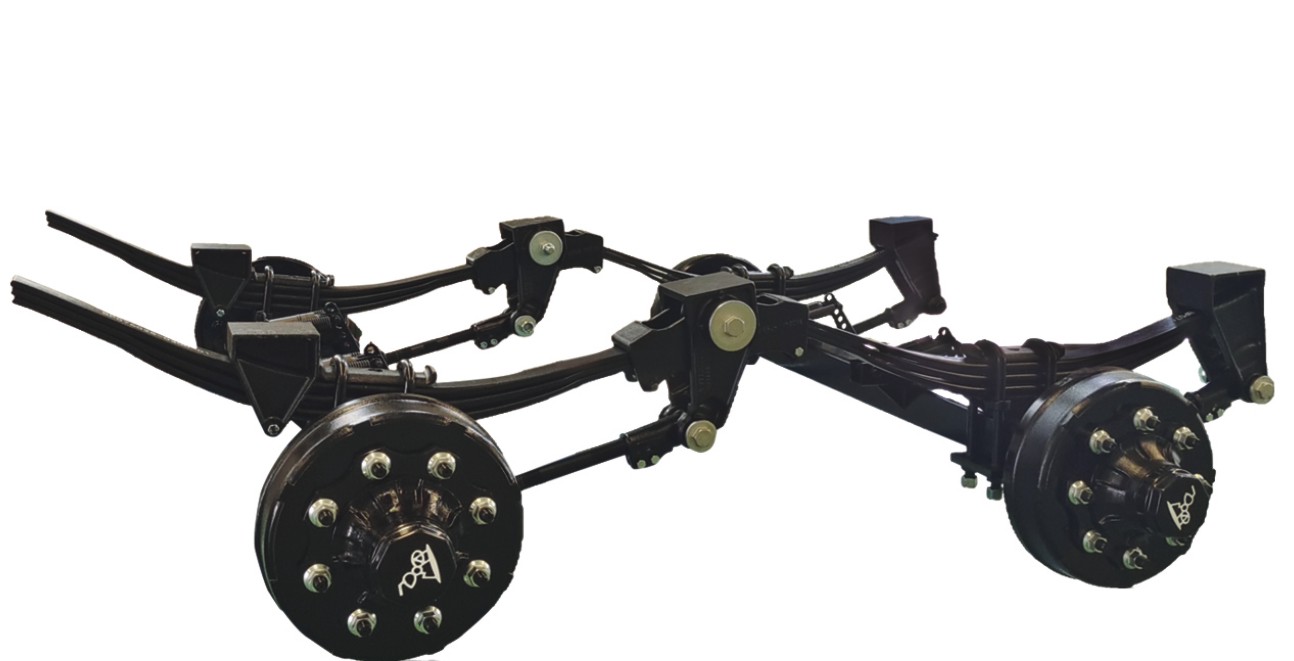
In a vehicle’s driving system, the mechanical suspension serves as a key structure connecting the vehicle body to the wheels. It addresses complex road conditions through coordinated multi-dimensional functions, safeguarding both the riding experience and the vehicle’s service life. Its specific roles can be analyzed following the logic of “impact mitigation – structural adaptation – safety assurance – wear control”:
When facing irregular road conditions such as potholes and gravel protrusions, the core design goal of mechanical suspensions is to absorb impacts and vibrations. Through the coordinated operation of springs (such as coil springs and leaf springs) and shock absorbers, they convert the instantaneous impact force transmitted from the road into elastic deformation of the springs, and then the shock absorbers slowly release the energy—preventing the impact force from being directly transmitted to the vehicle body. For example, when driving on bumpy roads, the suspension can filter out over 70% of high-frequency vibrations. This not only spares passengers from the discomfort of constant jolting but also protects fragile on-board cargo (e.g., precision instruments, electronic devices, glass products) from damage such as collisions and cracks caused by severe vibrations, providing basic protection for “the safety of people and cargo.”
Most mechanical suspensions adopt an “independent wheel suspension” layout, meaning each wheel is equipped with an independent suspension unit—unlike the “linked” structure of traditional non-independent suspensions. The key advantage of this design is that when a single wheel rolls over an obstacle (such as a speed bump or small stone), only that wheel adjusts its stroke independently (usually 5-15 cm) up and down, while the other wheel remains unaffected and maintains stable contact with the road surface. In contrast, non-independent suspensions cause the entire vehicle body to shake due to vibrations on one side, whereas independent suspensions can significantly reduce the degree of body tilt. At the same time, they improve the vehicle’s handling precision—for instance, reducing the risk of wheel “drifting” during steering and suppressing body roll when cornering, making the vehicle more flexible and stable when driving on winding mountain roads or in congested urban areas.
Mechanical suspensions improve vehicle stability by “maintaining wheel-road contact.” Even on complex terrains such as muddy roads, ramps, and damaged pavements, the suspension can ensure the wheels remain in close contact with the road surface through adaptive adjustments (e.g., changes in leaf spring stiffness, adjustment of shock absorber damping), avoiding reduced grip caused by wheels lifting off the ground. This feature is particularly important when driving at high speeds (e.g., over 80 km/h) or under heavy load conditions (e.g., a truck fully loaded with cargo): when changing lanes at high speeds, the suspension can reduce lateral displacement of the vehicle body and lower the risk of rollover; when under heavy load, it distributes the body weight to prevent wheels from slipping due to excessive local stress, providing the driver with more reliable handling feedback and further enhancing driving safety.
Road impacts and continuous vibrations are major causes of vehicle component wear. By absorbing vibrations, mechanical suspensions can significantly reduce wear on components such as tires, the chassis, and the suspension itself. For example, without suspension buffering, the “rigid contact” between tires and the road accelerates tread pattern wear, shortening the tire service life by over 30%; the suspension, however, ensures more uniform force distribution on the tires, reducing uneven wear. Additionally, reduced vibrations also lower the incidence of issues such as loose chassis screws and fatigue cracking of frame welds, indirectly reducing the frequency of vehicle maintenance. Data shows that vehicles equipped with high-quality mechanical suspensions can have their annual maintenance costs reduced by 20%-25% and their overall service life extended by 2-3 years, saving owners long-term usage costs.
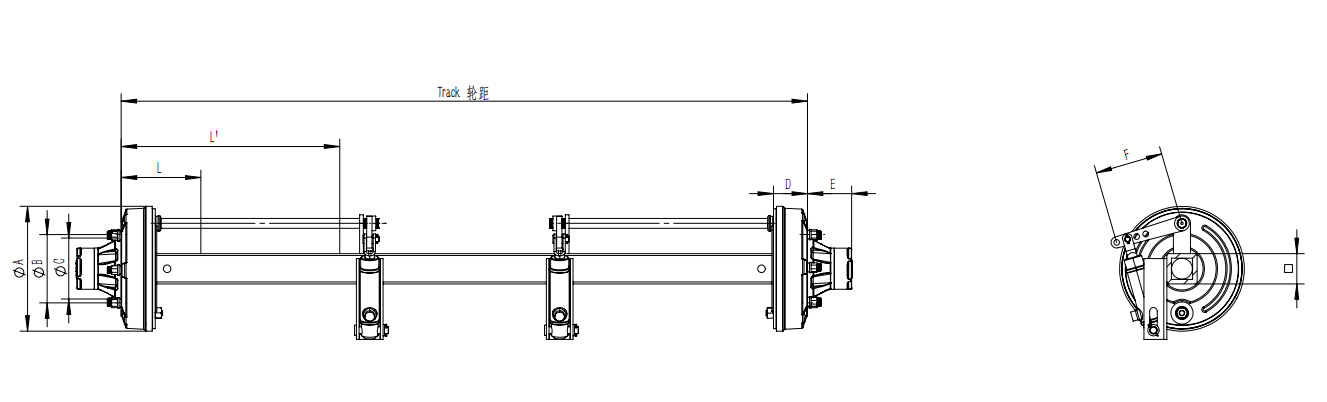
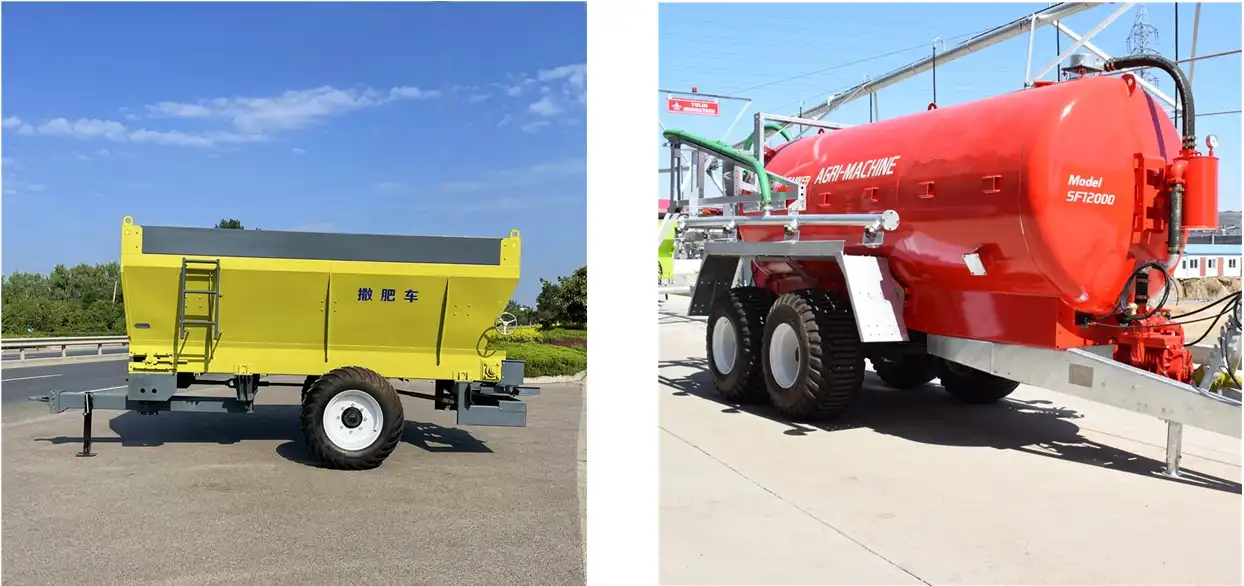
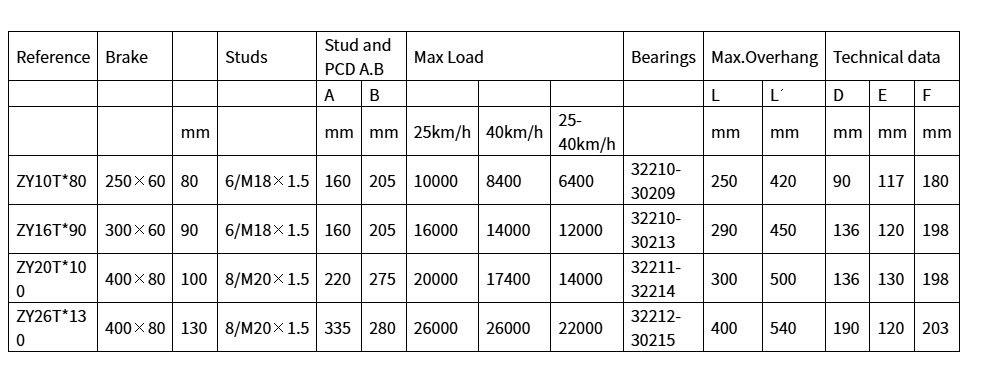 The axle products of Jinan Zhongyi Axle Co., Ltd. focus on the agricultural machinery sector, being primarily compatible with various types of agricultural machinery—such as common agricultural equipment like fertilizer spreaders and tank trucks—and providing them with crucial transmission and support guarantees.Additionally, for scenarios with special needs, the company also offers personalized customization services: it can design exclusive axles for agricultural vehicles used for special purposes, based on specific parameters provided by customers. This breaks the limitations of standardized products and accurately meets customers’ personalized usage requirements.
Jinan Zhongyi Axle Co., Ltd. focuses on serving modern agricultural machinery enterprises. Guided by the goal of promoting the development of the agricultural machinery sector, it continues to make sustained efforts in industry exchanges and technological R&D.
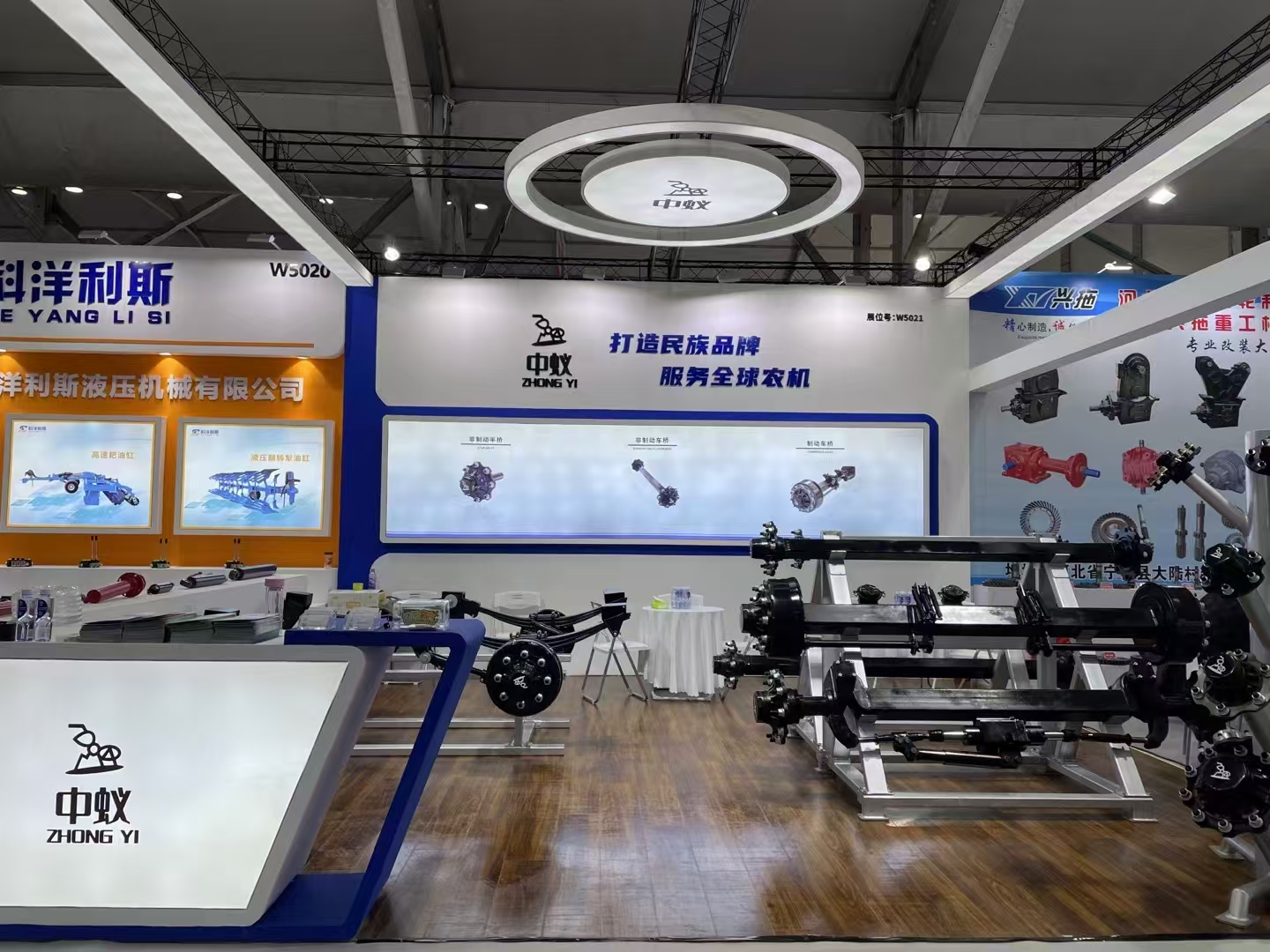
We proactively participate in various domestic and international agricultural machinery exhibitions, and firmly believe that with the help of such large-scale exhibition platforms, we can not only keep up with the pace of the times, but also inspire ideas through technical exchanges to continuously refine product technology. At the same time, these platforms also enable us to build cooperation bridges and promote mutually beneficial win-win outcomes with industry partners.
It is worth mentioning that Jinan Zhongyi Axle is honored to be one of the member units of this agricultural exhibition. In the future, we will continue to maintain an open stance, constantly absorb industry experience at home and abroad, actively explore in the field of agricultural machinery and farm tools, and contribute to the development of the industry.